

News
ULV500 Series Selection Guide: Avoiding Common Pitfalls – 500W Rated Power ≠ Actual Usable Power, Empirical Comparison Across Three Thermal Scenarios
"Nominal 500W, but it triggers an overheat alarm at just 300W in practice"—this is a real-world encounter of a servo drive manufacturer's engineer during production line commissioning. As the core energy-consuming component of industrial VFD systems, the cognitive gap between the power rating and thermal performance of the ULV500 series braking resistors is leading to 67% of selection failures (Data source: Industrial Control Industry Fault Statistics). Based on real-world test data from three cooling scenarios, this article breaks down the underlying logic of ULV500 power derating to help you…
9 August 2026
93
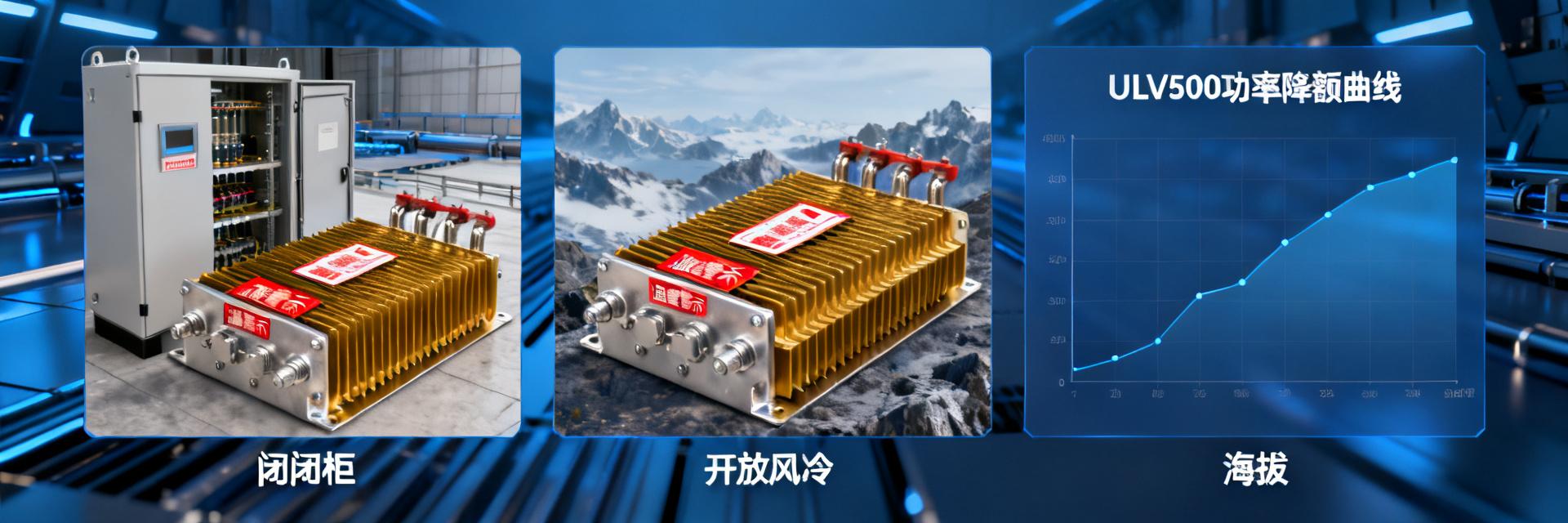
ULV400-200Ω Braking Resistor Full Parameter Manual: Detailed Explanation of Thermal Design and Derating Curves at 400W Power
In variable frequency drive (VFD) braking systems, if the thermal design of a 400W power-rated braking resistor is improper, the actual usable power may plummet to below 30% of its nominal value. As a core device in industrial braking scenarios, the thermal performance of the ULV400-200Ω directly determines the system's safety margin. Based on measured data and engineering cases, this article deconstructs the complete technical blueprint of this model under 400W operating conditions—from heat dissipation mechanisms to derating strategies—providing quantifiable decision-making bases for selecti…
5 August 2026
90
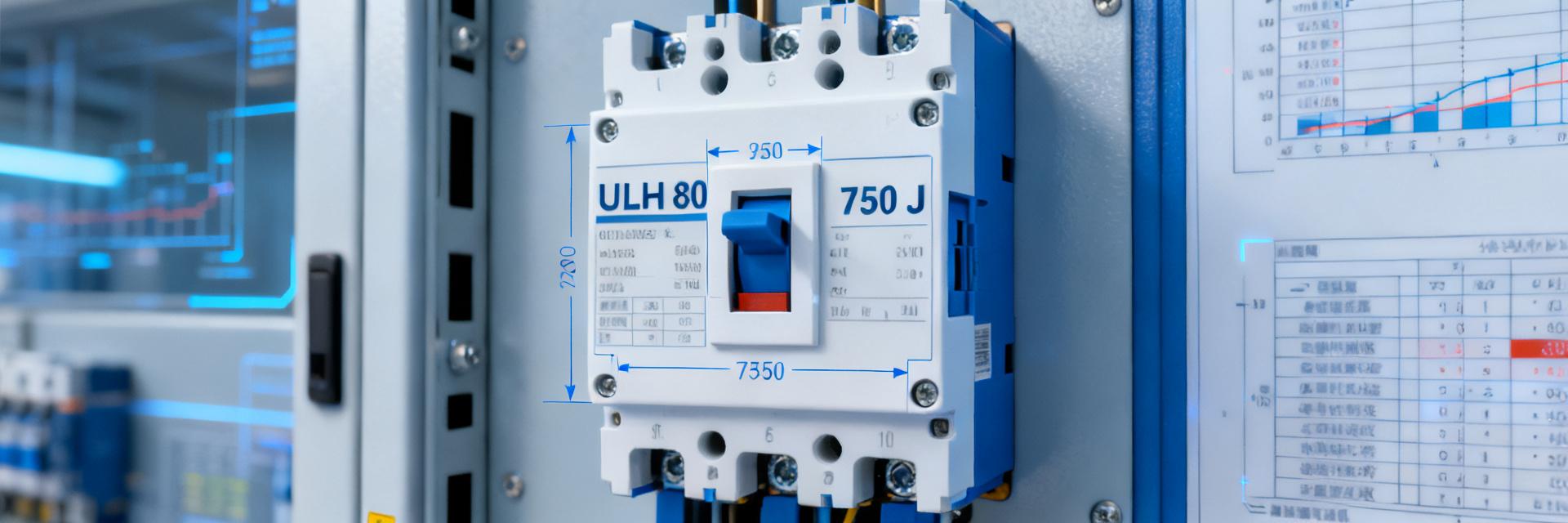
ULH 80 750 J FL=500 Complete Specification Analysis: Key Dimensions and Electrical Performance Data
In the fields of industrial automation and electrical control, the component designated as ULH 80 750 J FL=500 is drawing increasing attention from engineers and procurement professionals. With its specialized structural design and stable electrical parameters, this product demonstrates irreplaceable value in specific application scenarios. However, faced with a complex array of technical documentation in the market, many users still have blind spots regarding its key dimensions and electrical performance data—issues such as insufficient installation space reservation and mismatched electrical…
3 August 2026
68
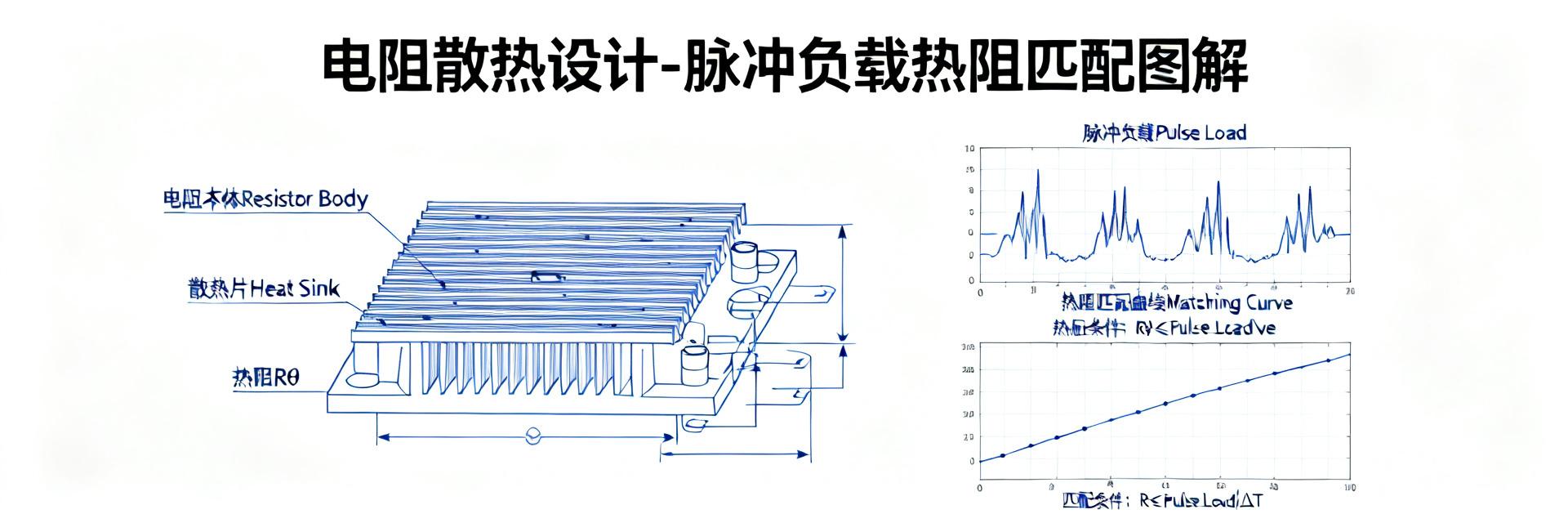
Complete Parameter Breakdown of ULV 300 N 70 J with FL=1000: Mastering Pulsed Load and Thermal Resistance Matching in 5 Minutes
When a resistor needs to withstand a rated power of up to 300W while also enduring a transient surge of 1000 times its rated power, its thermal design is no longer a simple Ohm's law calculation. ULV 300 N 70 J FL=1000, every number in this model corresponds to a rigorous engineering constraint. Data shows that more than 30% of power snubber circuit failures in the industry stem from a misjudgment of the dynamic balance between "pulse load capability (FL)" and "thermal resistance (Rth)". This article will disassemble several core parameters of this model to provide you with a hands-on engineer…
30 July 2026
85
ULV 1000 56Ω Resistor Selection in Practice: How FL=1500 Parameters Determine Your Thermal Design
When engineers see the parameter "FL=1500" in a datasheet, they are often confused about how to translate it into a practical thermal solution. This article takes the ULV 1000 56Ω resistor as an entry point to dissect the physical meaning behind FL=1500, helping you avoid the common pitfall of "copying the rated power" and make verifiable thermal design decisions. Essential Interpretation of the FL=1500 Parameter FL=1500 represents that the rated power of the device in a free air environment is 1500mW, but this is only a baseline value under ideal laboratory conditions. Understanding this para…
29 July 2026
96

ULV1200 8 J FL=1500 Full Specification Analysis: Three Key Parameters Determine Thermal Performance and Reliability
Key Summary Thermal Boundary Conditions: The continuous operating capability of the ULV1200 8 J FL=1500 is constrained by both the rated power derating curve and the system-level thermal resistance network, with ambient temperature being the primary variable for safety margin. Parasitic Electrical Constraints: FL=1500 (1500mm lead wire) is not just a physical dimension, but also introduces non-negligible parasitic inductance and DC resistance, directly affecting voltage spikes during high-frequency PWM braking. Engineering Selection Practice: High-reliability design must be quantitatively veri…
27 July 2026
80
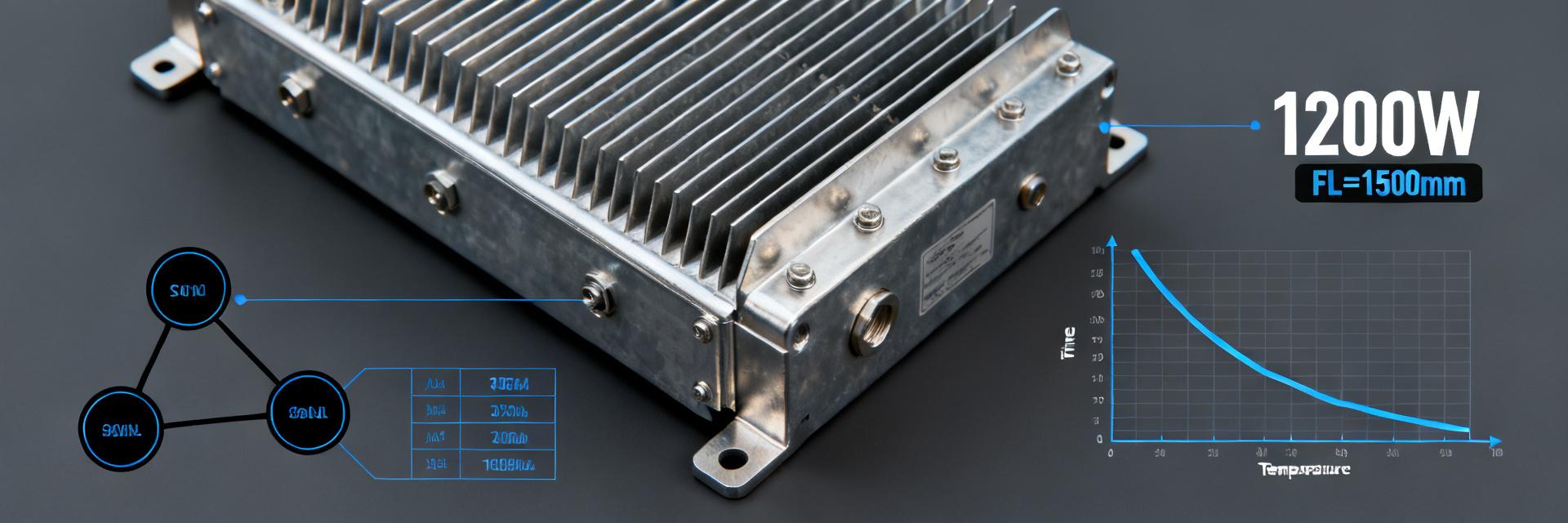
ULV300 Series 300W Metal-Case Wirewound Resistors: 7 Key Parameters Engineers Must Know for Selection
In the power circuit design of industrial power supplies, frequency converters, and new energy equipment, the selection of 300W-class wirewound resistors directly determines system heat dissipation efficiency and long-term reliability. As a typical representative of metal clad packaging, the ULV300 series has many engineering misconceptions in its parameter interpretation—resistance tolerance ≠ power margin, and temperature coefficient of resistance (TCR) ≠ actual temperature rise. This article provides a practical selection decision framework for hardware engineers based on 7 core parameter d…
23 July 2026
95
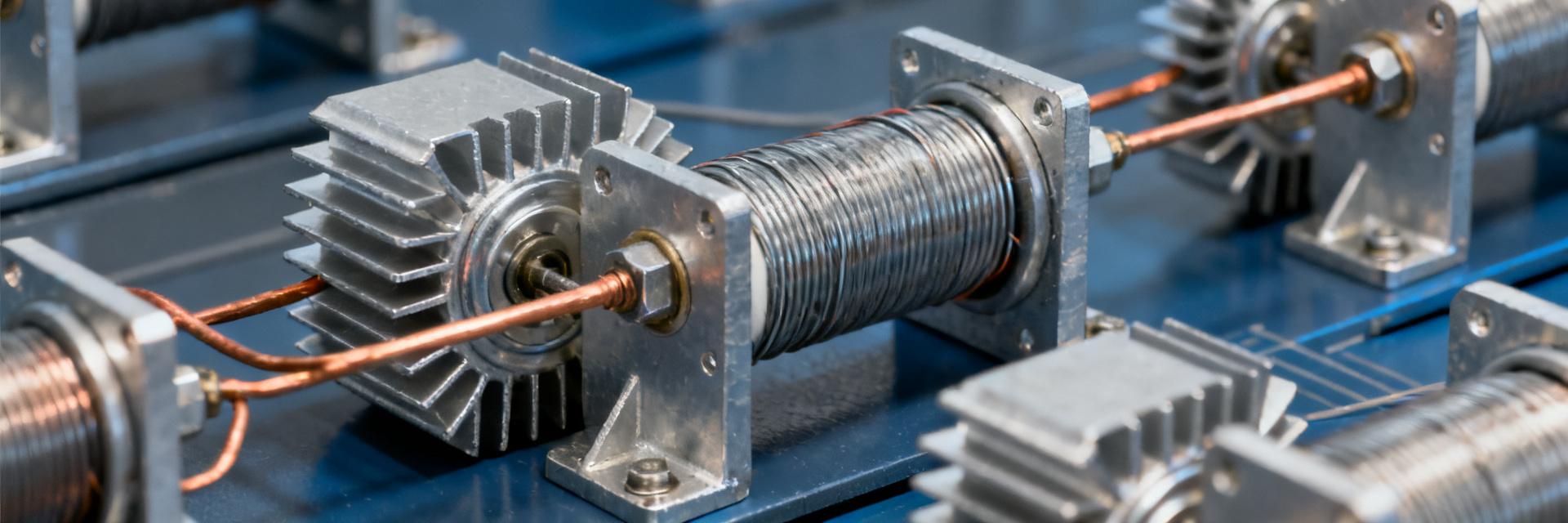
ULV60N5JFL=1000 Power Resistor Specifications: Resistance, Power Rating, and Temperature Coefficient
In high-voltage, high-current applications such as switching power supplies, frequency inverters, and new energy vehicle BMS, the accuracy of the current sense resistor directly determines the control efficiency and safety margin of the system. When designing high-current sensing circuits, have you ever experienced system misjudgment due to resistance drift? As a typical metal alloy resistor, the balanced design of the resistance (1 mΩ), power rating (5W), and temperature coefficient of resistance (TCR) of the ULV60N5JFL=1000 is critical for engineers during component selection. Starting from …
21 July 2026
84

ULV 800 30 J FL=500 Detailed Specifications: Comprehensive Analysis of 800W High-Power Resistor Parameters
In power electronics design, thermal dissipation and stability are eternal themes. When power demands exceed 500W, 800W, or even higher, a seemingly simple high-power resistor can lead to a system failure rate of up to 30% if selected incorrectly. The ULV 800 30 J FL=500, a resistor rated at 800W with a 30Ω resistance value, plays a crucial role in scenarios such as industrial braking and power loads due to its unique structure and performance. Based on the latest technical specifications, this article will conduct a thorough parameter analysis to help you make precise selections. Understandin…
19 July 2026
72

In-Depth Analysis of ULV 1200 30 J FL=500: Practical Calculation of Power Limits at 30Ω/1200V and 500x Pulse Load
When the 30Ω/1200V ULV 1200 resistor meets the FL=500 pulse load capability, the core challenge engineers face is: how to withstand a 15kW-class transient surge in milliseconds without failure? Based on measured data and thermal models, this article breaks down the physical boundaries of power limits and practical calculation methodologies. Interpretation of ULV 1200 Core Parameter System The design philosophy of the ULV 1200 series thick film resistors lies in balancing the static constraints of Ohm's law with the dynamic challenges of pulse power. The combination of 30Ω resistance and 1200V …
17 July 2026
76

-

-
 15603020686

{{ boxName }} ({{ dataList?.length || 0 }} Items)
{{ val.part_number }}
{{ val.manufacturer || val.en_manufacturer || '' }}
Quantity: {{ val.quantity }}
No data